

Newborn Sleep: A Gentle Guide (First 3 Months) | Calabasas Pediatrics
23586 Calabasas Road, Suite 107, Calabasas, CA 91302office@calabasaspeds.comMembership practice · not contracted with insurance
Pediatric Resource Center

Newborn Sleep: A Gentle Guide for the First Three Months

Why newborn sleep is naturally fragmented — and the gentle, safe habits that set the stage for healthy rest for the whole family.

SleepTADr. Tanya Altmann, MD, FAAPUpdated Sep 9, 2026 6 min read
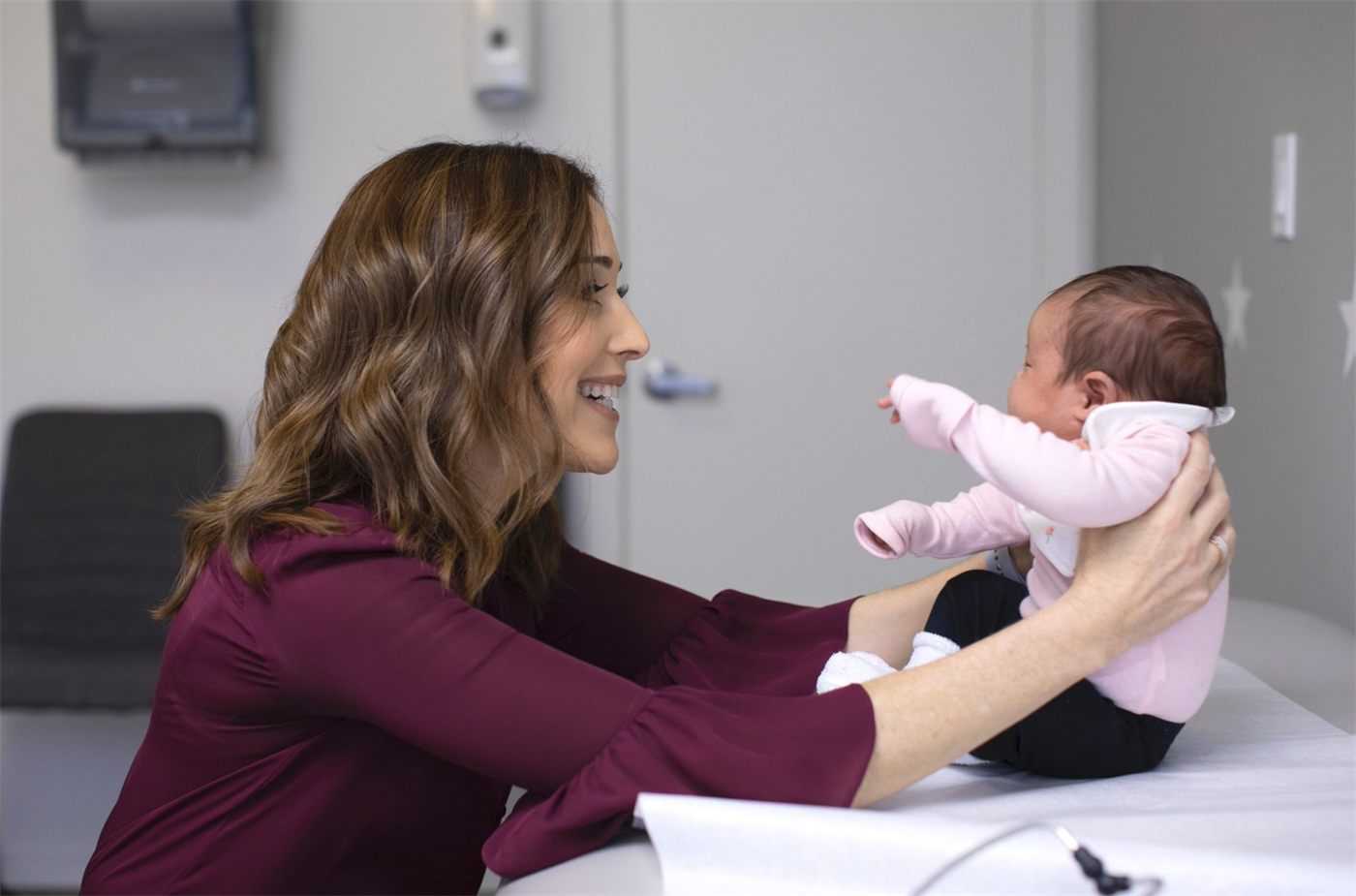
A newborn sleeping peacefully
Calabasas PediatricsWELLNESS CENTER
Quick Answer

Newborn sleep is irregular by design: babies sleep about 14-17 hours a day in short 2-4 hour stretches, waking around the clock to feed. You can't 'sleep train' a newborn, but you can build healthy foundations — full feeds, a calm and dark environment at night, and always placing your baby on their back on a firm, flat surface to lower the risk of SIDS.

Based on AAP safe-sleep and infant-sleep guidance.

If you're running on very little sleep, you're not doing anything wrong — newborn sleep is supposed to be broken up. Understanding why makes the first months easier, and a few safe habits now pay off later.

How newborn sleep really works

Newborns have tiny stomachs and big growth needs, so they wake often to feed — day and night. Their sleep cycles are short and they spend more time in light, active sleep, which is why they stir easily. This is normal and healthy, not a problem to fix.

Most newborns sleep 14-17 hours across a 24-hour day, but rarely for more than a few hours at a time in the early weeks. Longer stretches come with maturity, usually over the first few months.

Safe sleep: lowering the risk of SIDS

Where and how your baby sleeps matters more than anything else in these months. The AAP's safe-sleep basics are easy to remember as the ABCs:

  • Alone — baby sleeps on their own surface, without pillows, blankets, bumpers, or stuffed animals.
  • Back — always place baby on their back for every sleep, night and nap.
  • Crib — a firm, flat crib or bassinet, ideally in your room (not your bed) for the first 6-12 months.
Avoid

Soft bedding, inclined sleepers, couch or armchair sleeping, and overheating. Keep the room comfortable and dress baby in one light layer more than you'd wear.

Day-night confusion (and how to ease it)

Newborns aren't born knowing day from night. You can gently nudge their internal clock: keep daytime feeds bright, social, and active, and keep nighttime feeds quiet, dim, and boring — low light, minimal talking, straight back to sleep. Within a few weeks, most babies start consolidating more sleep at night.

Up at 3am with a question?Members text or call their own pediatrician 24/7 — real answers about feeding and sleep, without waiting for morning.
Apply to Join

Gentle habits that build healthy sleep

You can't spoil a newborn, and you don't need a strict schedule yet. But a few gentle rhythms help:

  • Watch for early sleepy cues — yawning, staring, fussing — and offer sleep before overtiredness sets in.
  • Build a short, predictable wind-down: feed, diaper, swaddle (until they start rolling), dim lights.
  • Let baby practice falling asleep drowsy-but-awake when you can — no pressure this early.

When to call your pediatrician about sleep

Reach out if your baby is extremely difficult to wake for feeds, isn't gaining weight, is consistently sleeping far more or less than expected, or if you ever have concerns about breathing during sleep. And if exhaustion is affecting your own health or mood, tell us — supporting parents is part of caring for your baby.

Why Calabasas families trust our team

Concierge pediatric care built around access, continuity, and genuinely knowing every child we look after.

UCLA-trained MDs

Board-certified pediatricians, including AAP author Dr. Tanya Altmann.

24/7 direct access

Reach your own doctor by text, phone, or video — not a call center.

Same family, same doctor

Real continuity — the pediatrician who knows your child's whole story.

Unhurried visits

Longer appointments and no rushed waiting rooms — care on your schedule.

Frequently asked questions

Answers to the questions Calabasas parents ask us most.

How many hours a day do newborns sleep?
Most newborns sleep about 14-17 hours across a 24-hour day, in short stretches of 2-4 hours, waking to feed around the clock.
Can you sleep train a newborn?
No — formal sleep training isn't appropriate for newborns, who need to feed frequently. You can build gentle foundations now and consider sleep coaching later, usually after 4-6 months, if it's a good fit for your family.
Is it safe for my newborn to sleep in our bed?
The AAP recommends room-sharing without bed-sharing: your baby sleeps in their own crib or bassinet in your room. This is linked to a lower risk of SIDS than bed-sharing.
Why does my baby sleep all day and wake all night?
Newborns haven't developed a day-night rhythm yet. Keeping days bright and active and nights dim and quiet helps their internal clock mature over the first weeks.
When will my baby sleep through the night?
It varies widely. Many babies start sleeping longer stretches by 3-6 months as their stomachs grow and feeds space out, but night waking well into infancy is still normal.
TA
About the author
Dr. Tanya Altmann, MD, FAAP
Founder & Pediatrician, Calabasas Pediatrics Wellness Center

Dr. Tanya Altmann is a UCLA-trained, board-certified pediatrician and a nationally recognized parenting expert. She is the editor of the American Academy of Pediatrics' bestselling Caring for Your Baby and Young Child and author of Baby and Toddler Basics, and a longtime spokesperson helping families make sense of everyday health questions.

Board-Certified PediatricianAAP Author & SpokespersonUCLA-Trained
Care that knows your child

Rest a little easier

Membership means a trusted pediatrician is a text away for every newborn question — day or night. Apply to join our Calabasas practice.