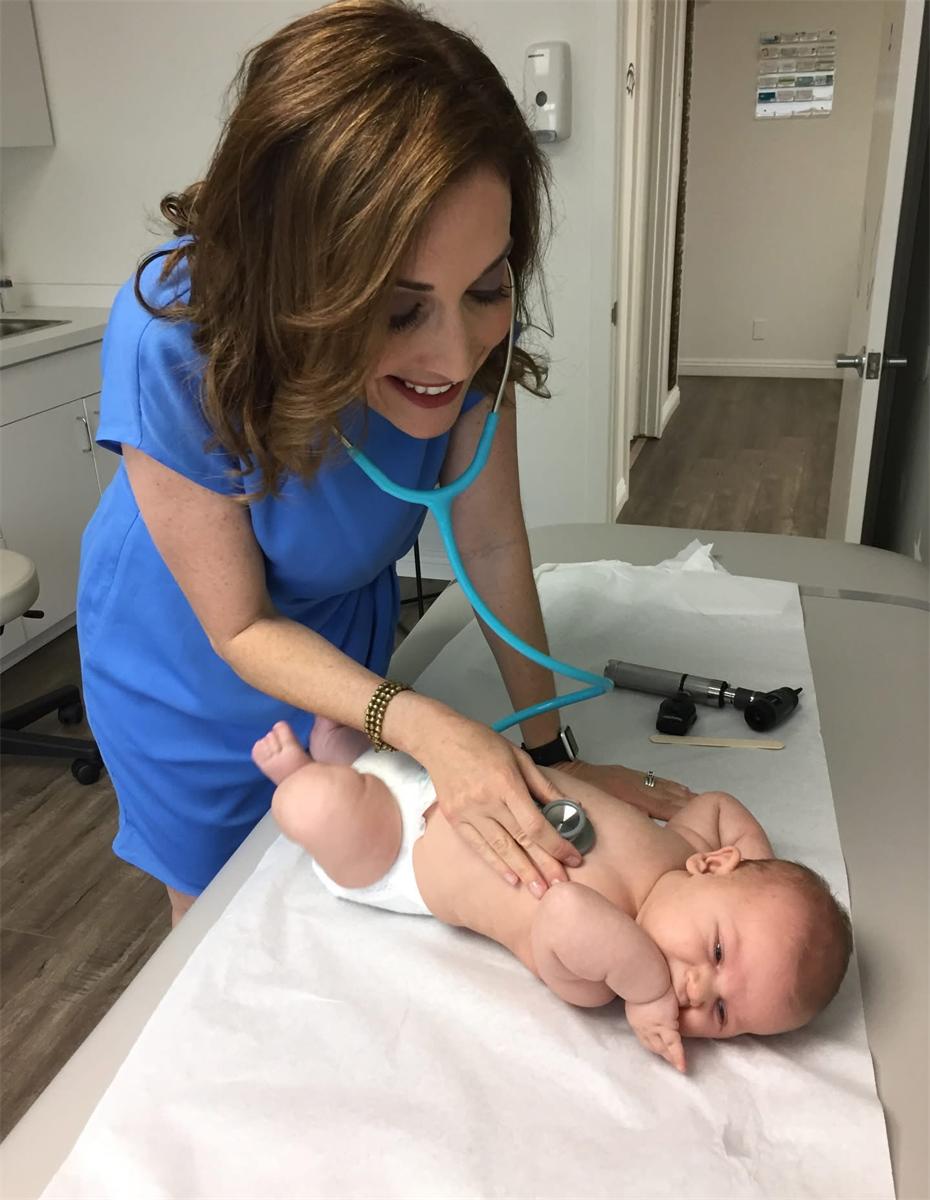


The CDC and AAP recommend a series of vaccines from birth through age 18 that protect against more than a dozen serious diseases — including hepatitis B at birth; DTaP, polio, Hib, pneumococcal, and rotavirus vaccines in infancy; MMR and chickenpox around 12 months; and Tdap, HPV, and meningococcal vaccines in the pre-teen years. Following the schedule on time protects children when they're most vulnerable.
Few things do more to protect a child than staying on schedule with vaccines. Here's a plain-language tour of what's recommended, when, and — just as importantly — why the timing matters.
Why the vaccine schedule is timed the way it is
The schedule isn't arbitrary. Each vaccine is given at the age when a child is both most vulnerable to a disease and able to respond well to the vaccine. Some need several doses spaced out to build strong, lasting immunity. Delaying doses leaves a window where a child is unprotected — often during the ages when a disease is most dangerous.
Vaccines in the first 15 months
The busiest stretch of the schedule protects against the illnesses that are most serious for infants:
- Hepatitis B — starting at birth.
- DTaP — diphtheria, tetanus, and whooping cough.
- Hib — a cause of serious bacterial meningitis.
- Pneumococcal (PCV) and polio (IPV).
- Rotavirus — an oral vaccine against severe diarrhea.
- MMR (measles, mumps, rubella) and varicella (chickenpox) — around 12-15 months.
Vaccines for school age and pre-teens
Protection continues as children grow:
- Boosters of DTaP, polio, MMR, and varicella before kindergarten.
- Tdap — a whooping-cough booster around age 11-12.
- HPV — a cancer-preventing vaccine starting at 9-12.
- Meningococcal (MenACWY) — at 11-12 with a booster at 16.
- Influenza — every year, for everyone 6 months and older.
Are vaccines safe? Common concerns, addressed
Childhood vaccines are among the most thoroughly studied and closely monitored medical products we have. Serious reactions are very rare; the common side effects are mild and short-lived — a sore arm, a low-grade fever, or fussiness for a day.
Extensive research involving millions of children has found no link between vaccines and autism. The diseases these vaccines prevent, on the other hand, can cause hospitalization, lasting harm, and death — which is exactly what the schedule is designed to avoid.
How we approach vaccines at Calabasas Pediatrics
We follow the CDC/AAP schedule and believe in it — and we also believe in taking the time to answer your questions. We'll review each vaccine with you, explain what it protects against, and make sure you feel informed and comfortable. You're a partner in your child's care, never rushed.